
Valves
A valve is a device that regulates the flow of a fluid by opening, closing, or partially obstructing a passageway.
Modern control valves operate on sophisticated automation systems that are based on external input. The valve is used to regulate flow based on previously-determined setpoints or variables, for example. These types of valves require an actuator, which will position the valve accurately depending on its input and setup. Actuators can be electrical, hydraulic or pneumatic, depending on the application and its environment.
Valves are critical in HVAC applications, and paired with actuators are designed to regulate the flow of both hot and chilled water in HVAC systems. Ball valves are most common for HVAC systems, able to regulate flow in several different directions with just one fitting.
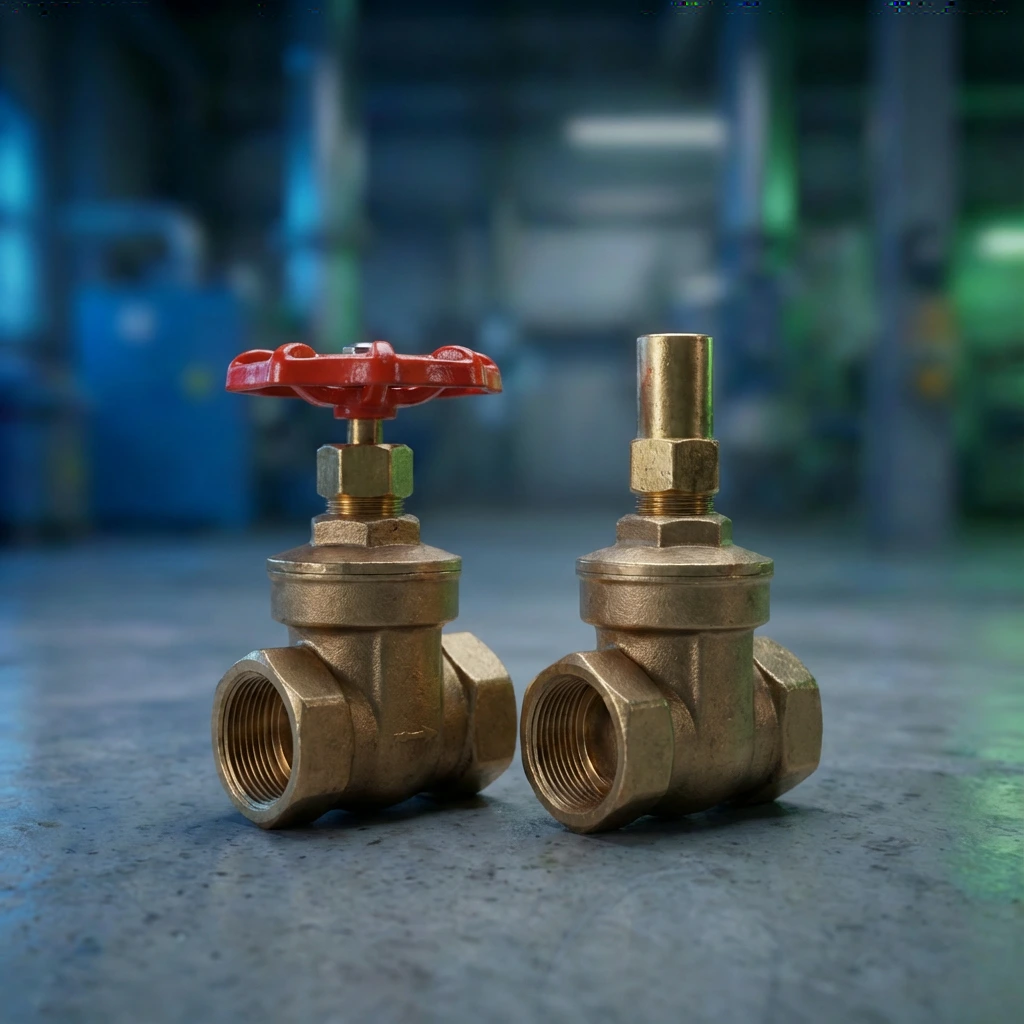
Galaxy

| Specification | Details |
|---|---|
| Origin | Chine |
| Standard | ANSI / AWWA |
| Certification | UL / FM Approved |
| Manufacturer | Galaxy Engineers & Contractors – Manufacturer of Tube Fittings |
| Size Range | 1/2″–8″ |
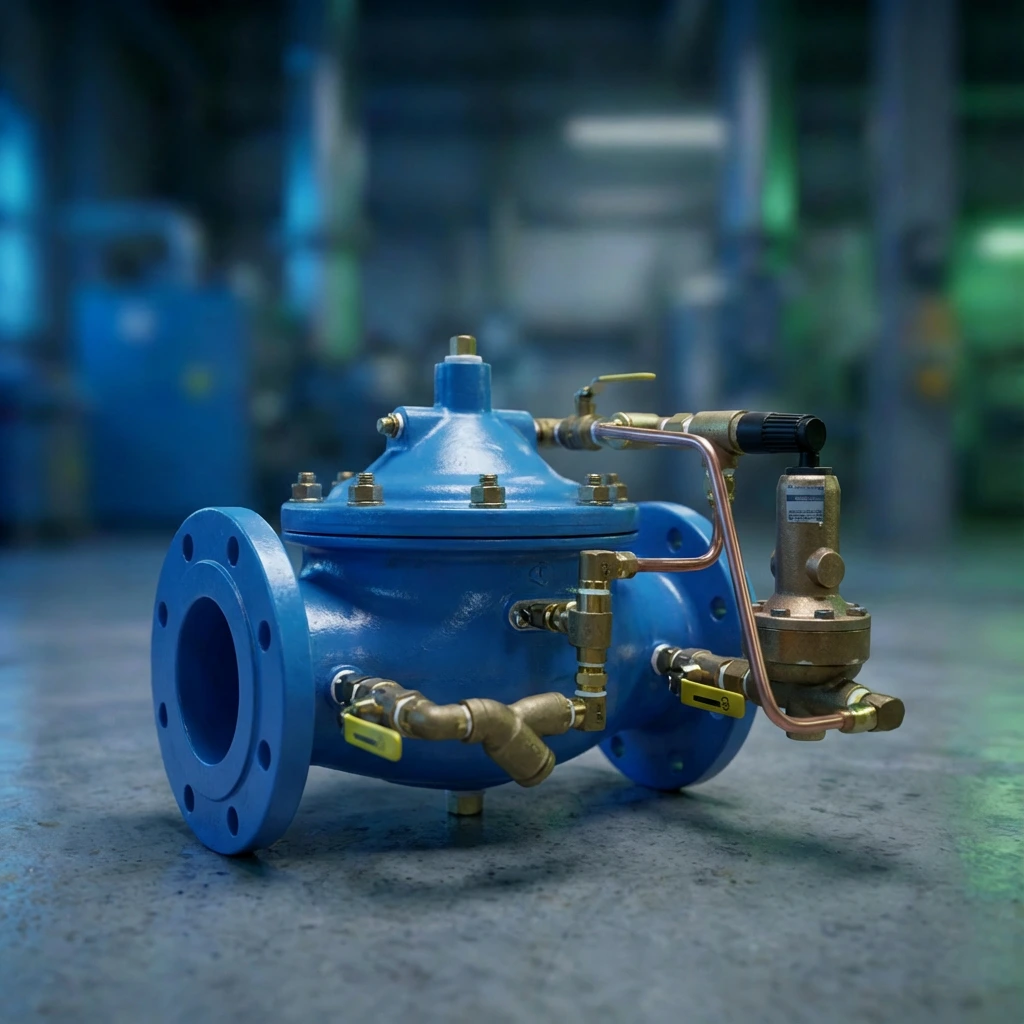
Watts Water Technologies

| Specification | Details |
|---|---|
| Origin | USA |
| Standard | ANSI / AWWA |
| Certification | UL / FM Approved |
| Size Range | 1/2"–6" |
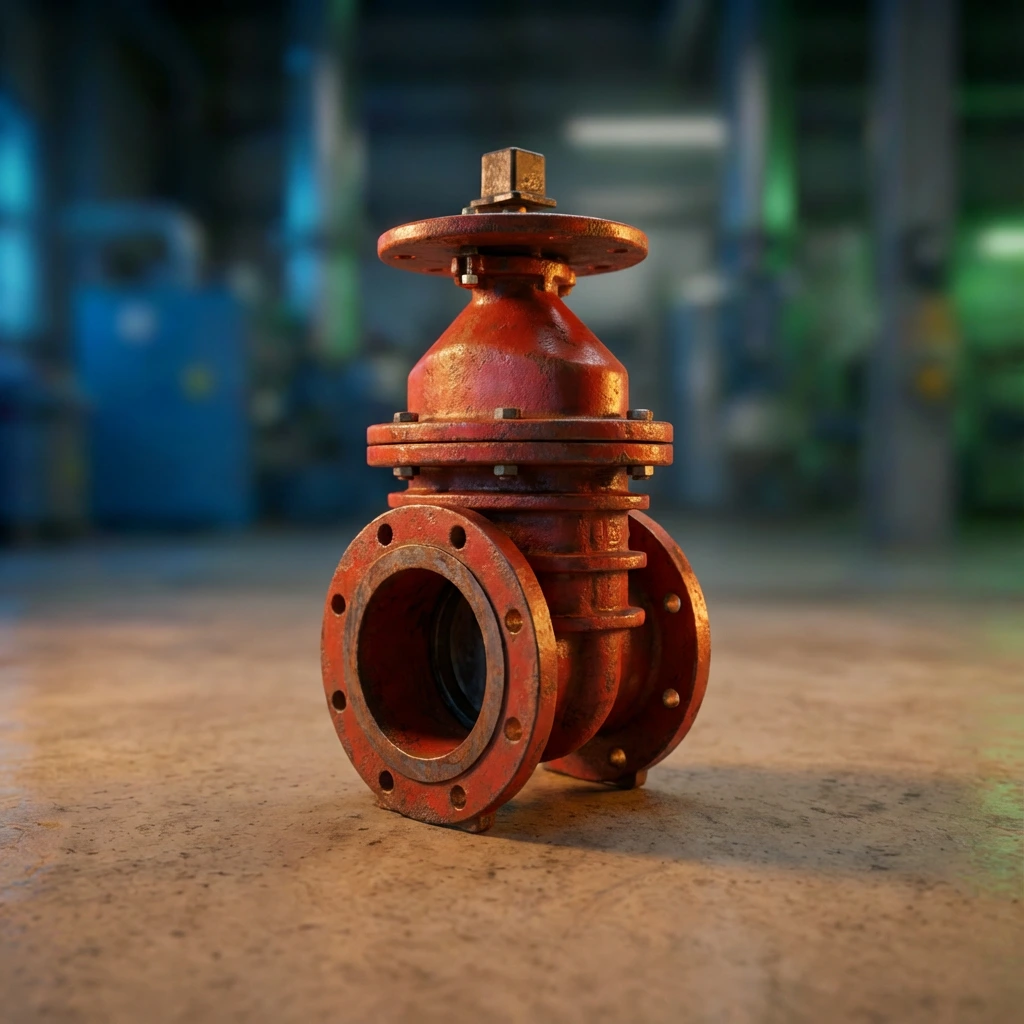
Mueller Fire Valves

| Specification | Details |
|---|---|
| Origin | USA |
| Standard | ANSI / AWWA |
| Certification | UL / FM Approved |
| Size Range | 1/2"–8" |
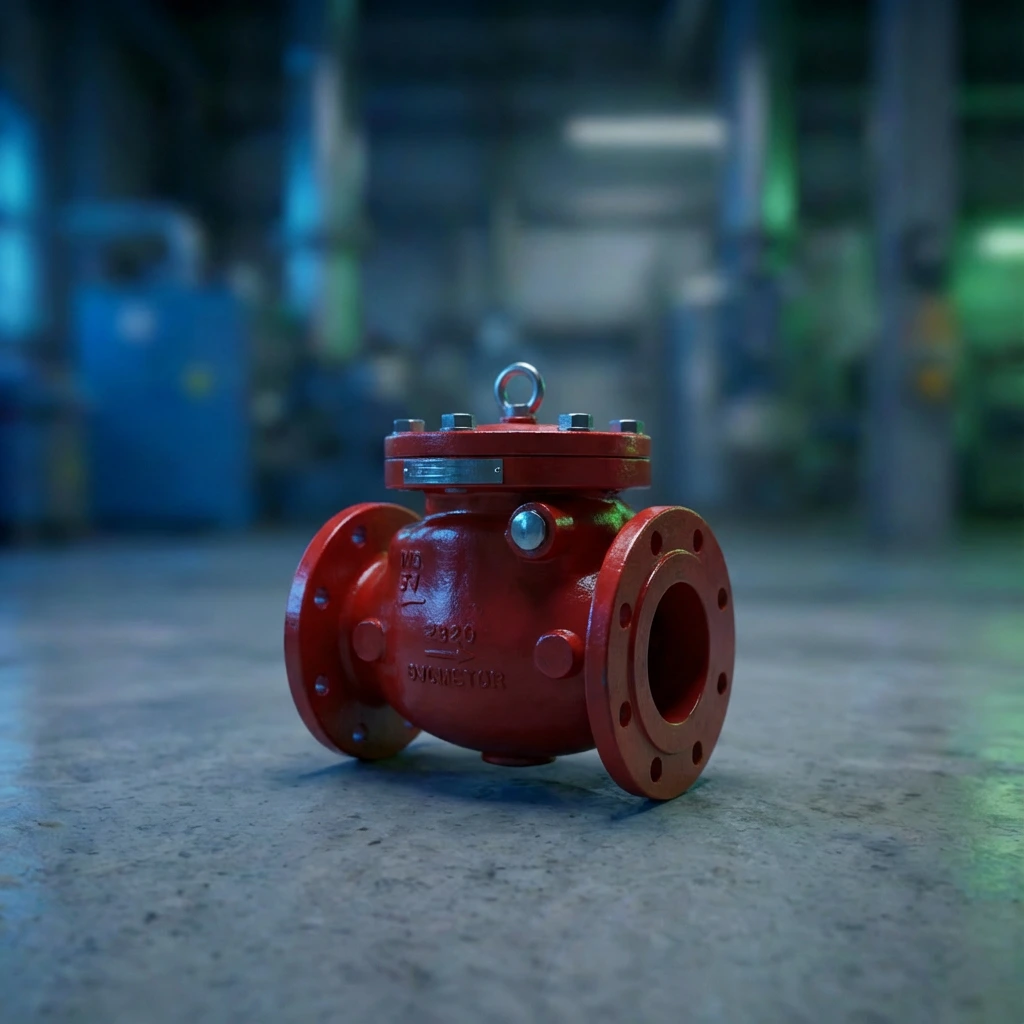
LIFECO

| Specification | Details |
|---|---|
| Origin | UK |
| Standard | ANSI / AWWA |
| Certification | UL / FM Approved |
| Size Range | 1"–8" |
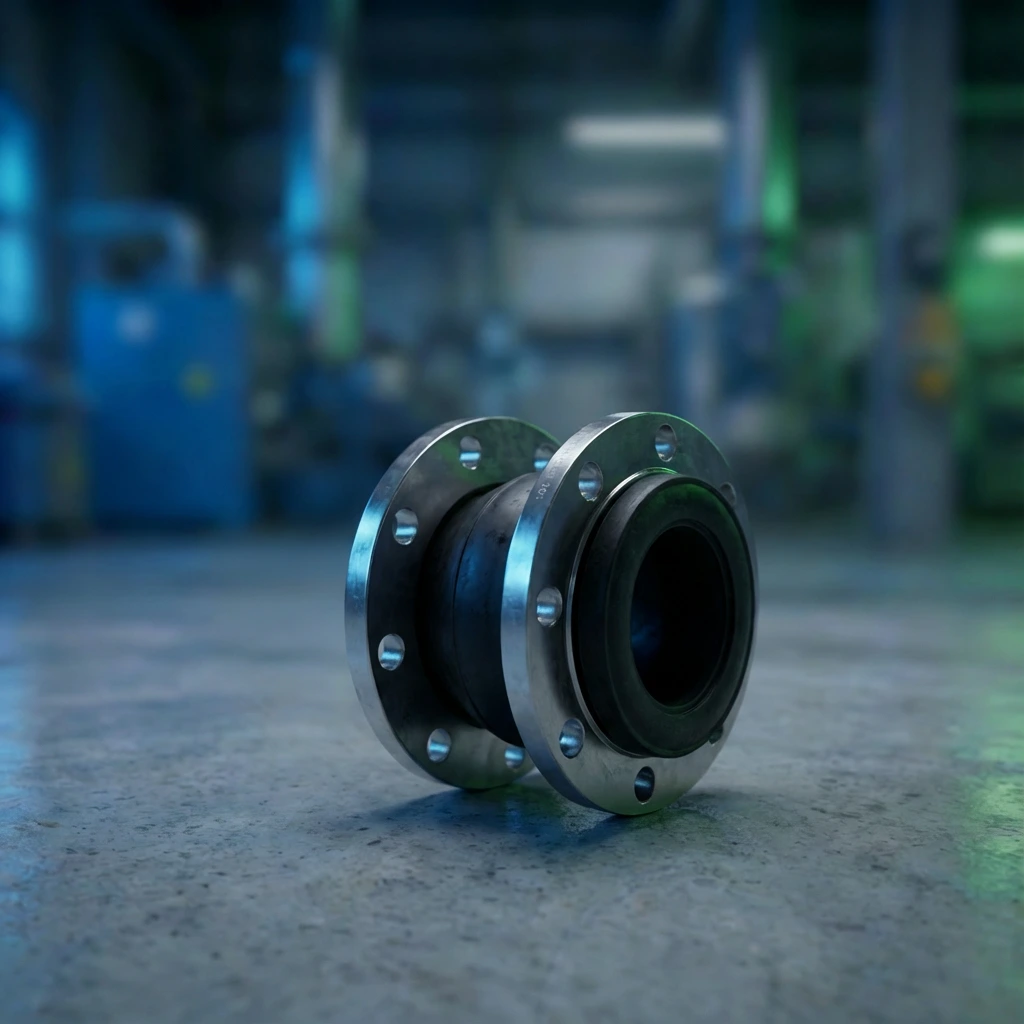
ArmFlex – Flexible Rubber Joint
| Specification | Details |
|---|---|
| Origin | Taiwan |
| Standards | ASME B31.3 & ASME B31.1 |
| Connection Type | Single Sphere Connection with Flange |
| Connection Type | Twin Sphere Connection with Union Thread |